-
Shop
- Advanced Technologies
- AI Skills
- AI Skills Mastery 2026 Collection
- Bathroom
- Best-Sellers
- Car Accessories
- Confidence
- Dating & Social Skills
- Digital Resources
- AI & Technology
- Beauty
- Budgeting & Saving
- Car Buying & Ownership
- Electronics & Technology
- Entrepreneurship & Business Growth
- Financial Independence
- Financial Mindset & Psychology
- Goal Setting
- Home Styling & Organization
- Kitchen & Recipes
- Leadership
- Mindset
- Online Business
- Parenting & Child Development
- Personal Style & Fashion
- Pet Lifestyle & Wellness
- Positive Thinking
- Sleep Improvement
- Smart Life with AI
- Stress Management & Relaxation
- Wellness
- Yoga & Mind-Body Practices
- Education & Learning
- Family & Parenting
- Fashion
- Financial Education
- Furniture
- Gadgets
- Health & Beauty
- Health & Wellness
- Home & Garden
- Home Electronics
- Kids & Babies
- Kitchen
- Kitchen Best-Sellers
- Lighting
- Luxury Brands Collection
- Patio, Lawn & Garden
- Personal Growth
- Pet Care
- Pet Supplies
- Pets
- Sport & Outdoors
- Stress Relief & Relaxation
- Travel
- Travel & Adventure
- Wealth
- Popular
- Best deals
Most Energy-Efficient Wind Turbine: What Really Wins
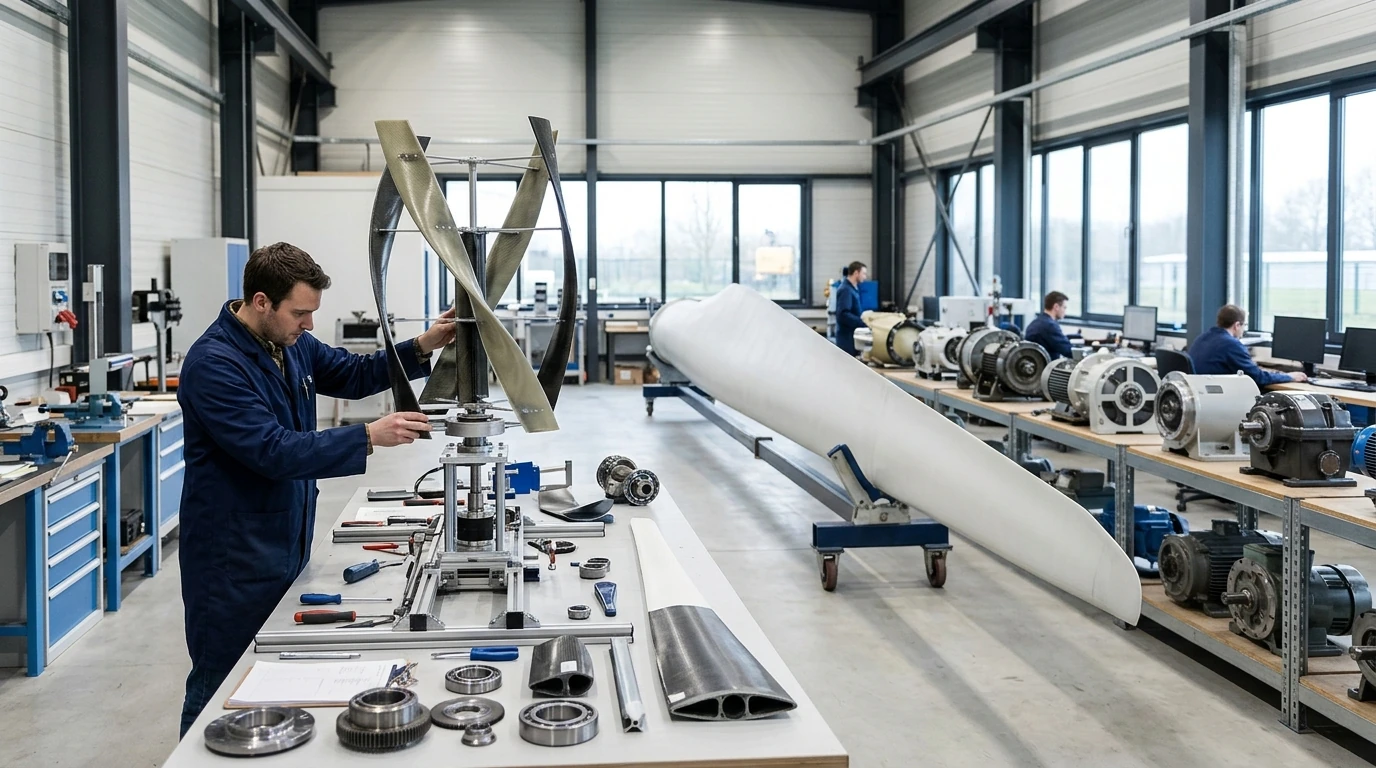
Which wind turbine is the most energy efficient?
The most energy-efficient wind turbine is the one that produces the most usable electricity for your specific wind conditions, tower height, and power needs—not simply the one with the highest rated wattage. In real-world small-scale use, turbines designed for low-speed wind, paired with a properly sized rotor and a tall, unobstructed tower, tend to deliver the best energy return over the year.
What “energy efficient” means for a wind turbine
Energy efficiency is about how effectively the turbine converts available wind into electricity over time. Key markers include a low cut-in wind speed (starts generating earlier), a strong power curve in the 8–15 mph range (where many sites spend most of their time), and a rotor diameter that captures more swept area. A turbine that only performs well at high winds can look impressive on paper yet underproduce in typical neighborhoods or light-wind rural properties.
Which type usually wins in small-scale setups
For many homes, farms, and off-grid systems, a quality horizontal-axis wind turbine (HAWT) with a larger rotor and low-speed optimization is commonly the most efficient choice. These models generally achieve better aerodynamic performance than many vertical-axis designs and can generate more kWh per year at the same site—especially when mounted high enough to reach cleaner, faster airflow.
How to choose the most efficient option for your site
Start with your average wind speed and turbulence level. Then match a turbine’s rated output and power curve to those winds, and plan for adequate tower height (clear of trees and rooflines). Finally, choose a system size that fits your electrical goals: for example, a 5–6kW low-speed turbine can be a strong efficiency-focused option when it’s correctly installed and sited.
For a practical breakdown of low-speed performance, sizing, and what to look for in a 5–6kW class unit, see the main guide: https://exellene.com/guide-5-6kw-low-speed-wind-turbine-efficient-small-scale-power/.
FAQ
How do I know if my property has enough wind for a small turbine?
Check local wind maps, then confirm on-site with an anemometer at planned hub height if possible. Consistent, unobstructed wind matters more than occasional gusts, and rooftop turbulence can significantly reduce output.
Recommended for you
Solo Female Travel Packing List: Essentials & Safety
Aug 21, 2026













Leave a comment