-
Shop
- Advanced Technologies
- AI Skills
- AI Skills Mastery 2026 Collection
- Bathroom
- Best-Sellers
- Car Accessories
- Confidence
- Dating & Social Skills
- Digital Resources
- AI & Technology
- Beauty
- Budgeting & Saving
- Car Buying & Ownership
- Electronics & Technology
- Entrepreneurship & Business Growth
- Financial Independence
- Financial Mindset & Psychology
- Goal Setting
- Home Styling & Organization
- Kitchen & Recipes
- Leadership
- Mindset
- Online Business
- Parenting & Child Development
- Personal Style & Fashion
- Pet Lifestyle & Wellness
- Positive Thinking
- Sleep Improvement
- Smart Life with AI
- Stress Management & Relaxation
- Wellness
- Yoga & Mind-Body Practices
- Education & Learning
- Family & Parenting
- Fashion
- Financial Education
- Furniture
- Gadgets
- Health & Beauty
- Health & Wellness
- Home & Garden
- Home Electronics
- Kids & Babies
- Kitchen
- Kitchen Best-Sellers
- Lighting
- Luxury Brands Collection
- Patio, Lawn & Garden
- Personal Growth
- Pet Care
- Pet Supplies
- Pets
- Sport & Outdoors
- Stress Relief & Relaxation
- Travel
- Travel & Adventure
- Wealth
- Popular
- Best deals
Carbon Fiber Downsides: Cost, Brittleness, Repair Issues
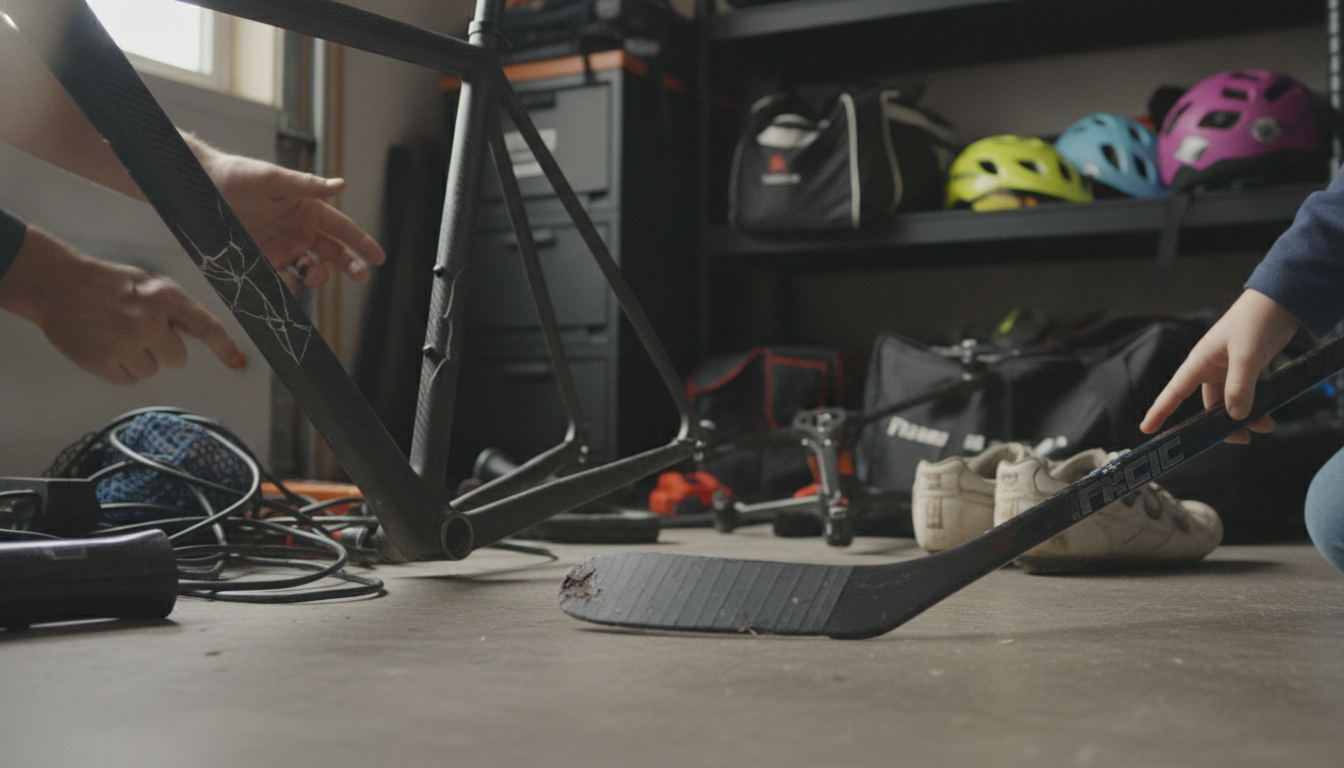
What are the negatives of carbon fiber?
Carbon fiber is known for being lightweight and stiff, but it also comes with trade-offs that matter in real-world use. The biggest negatives tend to show up in cost, impact durability, repairability, and how it behaves under different types of stress.
Higher cost than many alternatives
Carbon fiber parts usually cost more than aluminum, steel, or fiberglass. The material itself is pricey, and manufacturing often requires specialized molds, controlled curing, and skilled labor—costs that get passed along to the buyer.
Can be brittle under sharp impacts
Carbon fiber is strong for its weight, but it doesn’t always handle point impacts well. A hard hit from a rock, a drop onto an edge, or a concentrated удар can cause cracking, delamination, or internal damage that isn’t immediately visible.
Damage can be harder to detect
Unlike dented metal, carbon fiber may look fine while suffering internal separation between layers. That can make inspections trickier, especially for safety-critical parts, since a surface scuff doesn’t always match the severity of what happened beneath.
Repairs aren’t always simple or cheap
While carbon fiber can be repaired in some cases, proper fixes typically require composite expertise and the right materials. For many consumer products, replacement ends up being more practical than repair.
Directional strength (not equally strong in all directions)
Carbon fiber’s performance depends on fiber orientation and layup. It can be extremely strong along certain directions yet less resistant to loads it wasn’t designed for, which is why design and manufacturing quality matter so much.
Recycling and end-of-life challenges
Carbon fiber composites are harder to recycle than common metals. Processes exist, but they can be energy-intensive and may produce reclaimed fiber with reduced performance compared to virgin material.
For a deeper breakdown with examples of where these drawbacks show up, visit the main article on the negatives of carbon fiber.
FAQ
Is carbon fiber safe to use for everyday products?
Yes, it’s generally safe in finished form. The main concerns are impact damage that can be hard to spot and, during cutting/sanding, dust that should be controlled with proper protective equipment.
Recommended for you
Claw Clips in 2026: Trendy or a Modern Essential?
Jul 30, 2026
Build High-Income Skills Fast: 4-Week System Bundle
Jul 31, 2026













Leave a comment