-
Shop
- Advanced Technologies
- AI Skills
- AI Skills Mastery 2026 Collection
- Bathroom
- Best-Sellers
- Car Accessories
- Confidence
- Dating & Social Skills
- Digital Resources
- AI & Technology
- Beauty
- Budgeting & Saving
- Car Buying & Ownership
- Electronics & Technology
- Entrepreneurship & Business Growth
- Financial Independence
- Financial Mindset & Psychology
- Goal Setting
- Home Styling & Organization
- Kitchen & Recipes
- Leadership
- Mindset
- Online Business
- Parenting & Child Development
- Personal Style & Fashion
- Pet Lifestyle & Wellness
- Positive Thinking
- Sleep Improvement
- Smart Life with AI
- Stress Management & Relaxation
- Wellness
- Yoga & Mind-Body Practices
- Education & Learning
- Family & Parenting
- Fashion
- Financial Education
- Furniture
- Gadgets
- Health & Beauty
- Health & Wellness
- Home & Garden
- Home Electronics
- Kids & Babies
- Kitchen
- Kitchen Best-Sellers
- Lighting
- Luxury Brands Collection
- Patio, Lawn & Garden
- Personal Growth
- Pet Care
- Pet Supplies
- Pets
- Sport & Outdoors
- Stress Relief & Relaxation
- Travel
- Travel & Adventure
- Wealth
- Popular
- Best deals
Modern Hanging Ceiling Lamps: Sizing, Height & Layers
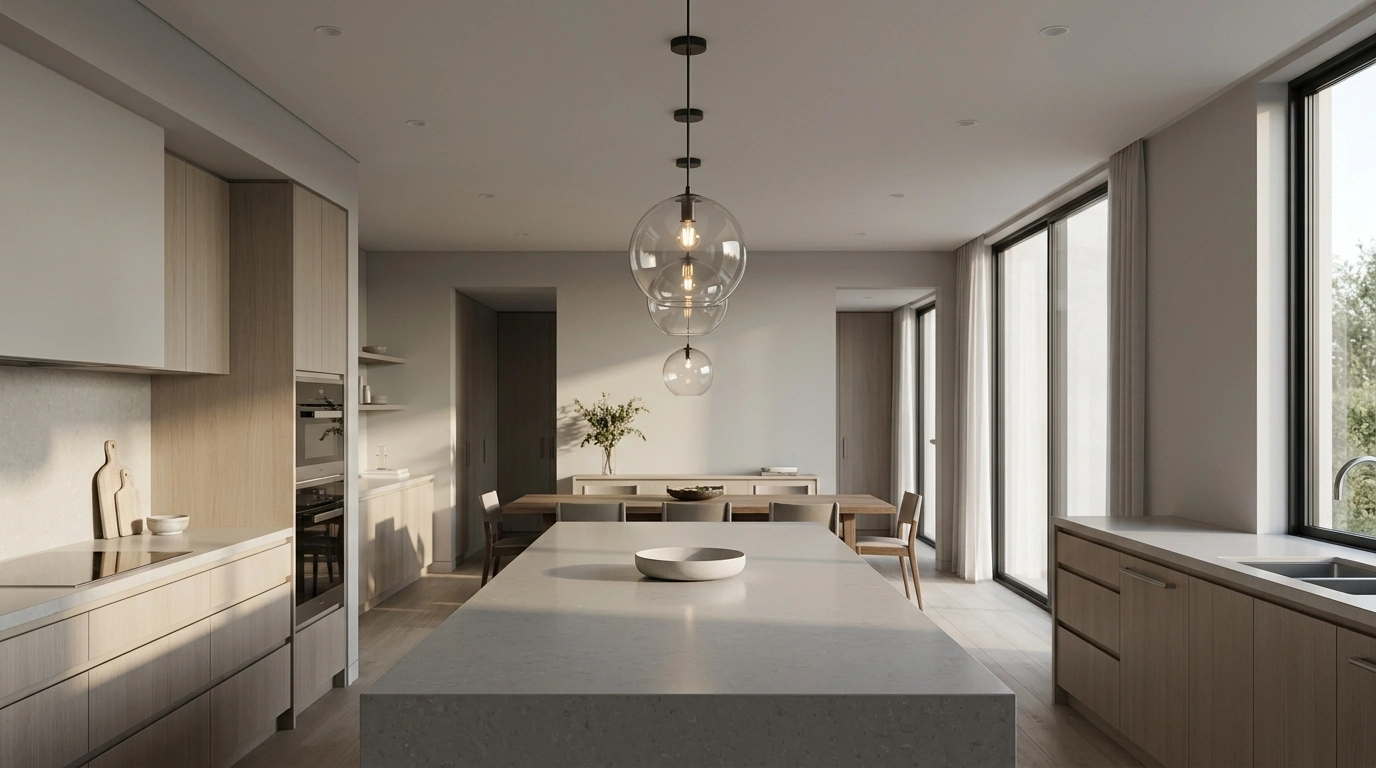
Modern Hanging Ceiling Lamps for a Clean, Layered Lighting Look
Modern hanging ceiling lamps do more than fill a room with light—they set the visual “center of gravity,” sharpen task zones, and create depth through layered illumination. A well-chosen fixture looks crisp in daylight, then delivers comfortable brightness at night without glare. The key is balancing proportion, ceiling height, light output, and finish so your pendant (or cluster of pendants) feels intentional rather than “just hanging there.” For more guidance, see 14.5 Inch Mid Century Modern Pendant Light Fixture.
What Makes a Hanging Ceiling Lamp Feel Modern
Modern style tends to read as calm and confident: fewer details, cleaner lines, and materials that feel considered. If a fixture looks simple on paper but polished in person, it’s usually hitting the modern marks. For further reading, see Modern Gold Glass Pendant Light – Clear Organic Globe Hanging ….
- Streamlined silhouettes: domes, cones, globes, cylinders, and linear bars with minimal ornamentation.
- Mixed materials, used with restraint: matte metal paired with opal glass, smoked glass, stone accents, or warm wood.
- Intentional contrast: black or brushed metal against light ceilings, or soft white shades to brighten darker rooms.
- Clean canopy and cord details: tidy cable drops, short stems, and low-profile ceiling plates for a finished look.
- Light quality prioritized: diffusers, glare control, and compatibility with dimmers and LED bulbs.
Where Hanging Fixtures Work Best
Hanging fixtures shine when they define a zone: a place to prep, gather, arrive, or unwind. Think of them as “overhead punctuation” that clarifies what happens in each part of the room.
- Kitchen islands: pendants or a linear hanging fixture to focus light on prep and seating zones.
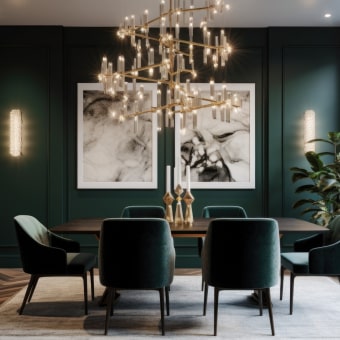
- Dining tables: one statement piece or a row of smaller pendants aligned with table length.
- Entryways and stairwells: taller drops that fill vertical space without blocking pathways.
- Bedrooms: pendants as bedside lights to free up nightstand surface space.
- Living rooms: best when layered with floor lamps and wall lights for flexible ambiance.
Quick Placement Guide
| Location | Common approach | Comfort notes |
|---|---|---|
| Dining table | Center one fixture or use 2–3 smaller pendants | Keep the bottom of the shade high enough for clear sightlines across the table |
| Kitchen island | Even spacing across the island length | Avoid glare at seated eye level; consider diffusers or opal glass |
| Entryway | Single focal pendant/chandelier | Choose a scale that matches the vertical space and doesn’t feel undersized |
| Bedroom | Pair of pendants over nightstands | Use warm color temperature and dimming for nighttime comfort |
Sizing and Hanging Height: Getting the Proportions Right
Proportion is what makes a modern pendant look “built in” rather than added on. A fixture can be beautiful but still feel off if it’s undersized, hung too high, or squeezed too close to cabinetry.
- Match scale to room volume: larger rooms can support wider shades or multi-light clusters; smaller rooms often look best with fewer, cleaner elements.
- Use the surface below as your reference: table and island installations typically hang lower than entryway fixtures because the surface defines the “zone.”
- Keep spacing consistent for multiples: a row of pendants reads most modern when the gaps are even and the drops align.
- Account for ceiling height and canopy placement: vaulted ceilings may need longer drops and adjustable hardware so the fixture doesn’t feel lost.
- Plan for shade diameter: wider shades need breathing room from walls, uppers, and tall pantry cabinets so the layout stays balanced.
Light Output and Ambiance: Bright Enough Without Harshness
Modern lighting is as much about comfort as it is about style. The best setups avoid “spotlight hotspots,” fill in shadows, and allow you to shift the mood after sunset.
- Layer lighting: use hanging lamps for ambient/task lighting, then add recessed lights, sconces, or lamps so no single fixture has to do everything.
- Choose diffused light for comfort: opal glass and fabric shades soften the bulb and reduce harsh sparkle.
- Add dimming for flexibility: bright for chopping and homework, lower for dinner and movie night.
- Pick color temperature intentionally: warm light supports relaxation; neutral light tends to feel clearer for kitchens and work areas.
- Confirm bulb base and output: check the bulb type and LED equivalency so the fixture can actually reach your desired brightness.
For energy-efficient options and LED guidance, reputable references include ENERGY STAR Lighting and the U.S. Department of Energy’s LED Lighting overview.
Finishes and Materials That Pair Easily With Modern Interiors
Finish is what ties your ceiling lamp to the rest of the room—hardware, faucets, appliances, mirror frames, and even nearby furniture legs. A cohesive metal story keeps modern spaces looking clean rather than busy.
Installation Notes and Safety Basics
Featured Picks for a Clean, Layered Look
- Modern Hanging Ceiling Lamps (in stock): a strong choice when you want a clear focal point over a dining table, island, or entryway while keeping the overall decor streamlined.
- Modern White Vanity Makeup Table Set with Lighted Mirror and Storage (in stock): a practical complement for bedrooms or dressing areas where layered lighting matters—overhead glow plus dedicated face-level illumination for daily routines.
Care and Maintenance for Long-Lasting Finish
FAQ
How many hanging lamps should go over a kitchen island?
Most islands look balanced with 2–3 pendants, depending on island length and the size of each shade. Keep spacing even and position lights to avoid glare at seated eye level—diffusers or opal glass can help.
Do modern hanging ceiling lamps work with dimmer switches?
Yes, as long as the bulb or integrated LED driver is dimmable and compatible with your dimmer type. Check the fixture and bulb specs to prevent flicker and get smooth, low-end dimming.
What color temperature looks best in a dining room pendant?
Warm to warm-neutral light tends to flatter skin tones and food while keeping the room inviting. A dimmer adds flexibility so you can brighten for setup and lower the light for meals.








Leave a comment