-
Shop
- Advanced Technologies
- AI Skills
- AI Skills Mastery 2026 Collection
- Bathroom
- Best-Sellers
- Car Accessories
- Confidence
- Dating & Social Skills
- Digital Resources
- AI & Technology
- Beauty
- Budgeting & Saving
- Car Buying & Ownership
- Electronics & Technology
- Entrepreneurship & Business Growth
- Financial Independence
- Financial Mindset & Psychology
- Goal Setting
- Home Styling & Organization
- Kitchen & Recipes
- Leadership
- Mindset
- Online Business
- Parenting & Child Development
- Personal Style & Fashion
- Pet Lifestyle & Wellness
- Positive Thinking
- Sleep Improvement
- Smart Life with AI
- Stress Management & Relaxation
- Wellness
- Yoga & Mind-Body Practices
- Education & Learning
- Family & Parenting
- Fashion
- Financial Education
- Furniture
- Gadgets
- Health & Beauty
- Health & Wellness
- Home & Garden
- Home Electronics
- Kids & Babies
- Kitchen
- Kitchen Best-Sellers
- Lighting
- Luxury Brands Collection
- Patio, Lawn & Garden
- Personal Growth
- Pet Care
- Pet Supplies
- Pets
- Sport & Outdoors
- Stress Relief & Relaxation
- Travel
- Travel & Adventure
- Wealth
- Popular
- Best deals
Men’s Hair Clipper with DLC Blades & LED Power Display
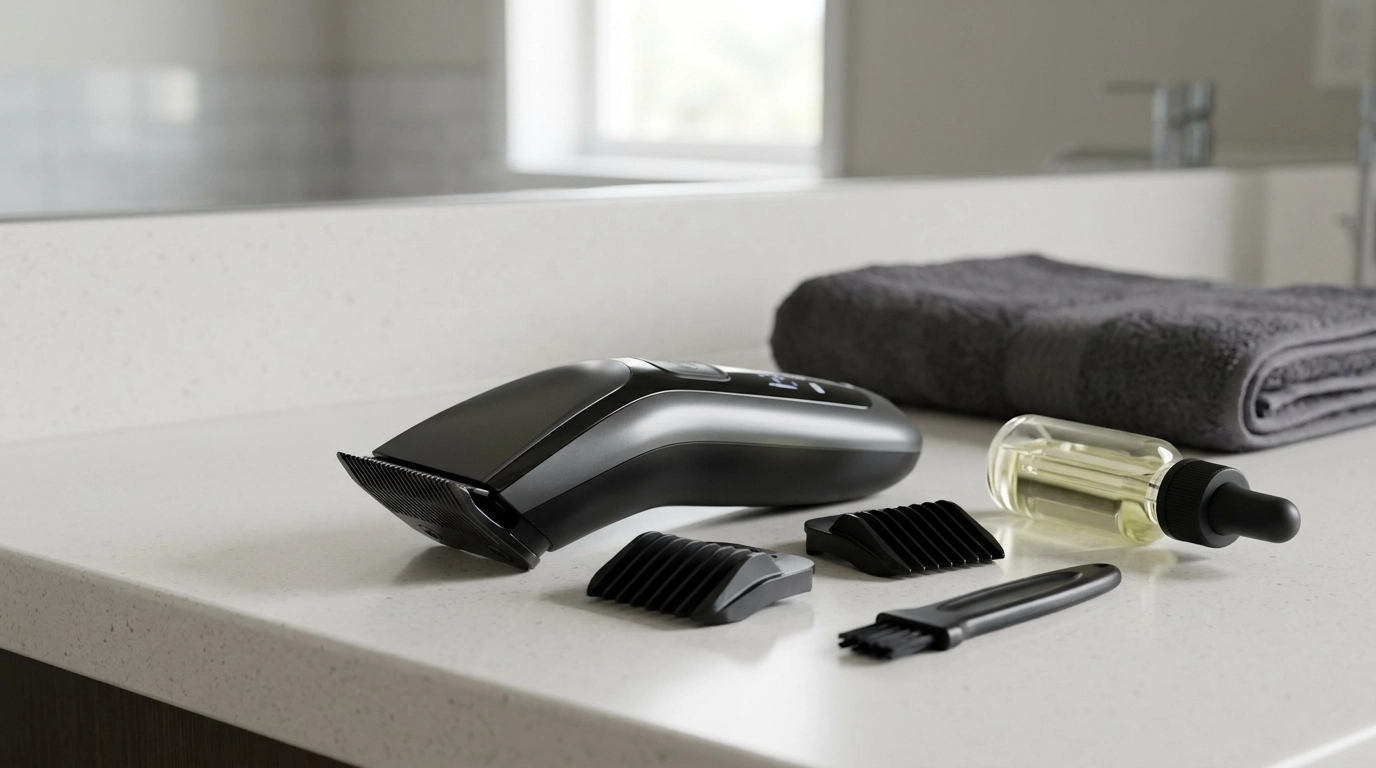
Professional Hair Clipper with LED Display & DLC Blades for Men
A reliable clipper makes home haircuts faster, cleaner, and easier to repeat. This model pairs hard-wearing DLC blades with an LED display so trimming, fading, and edging feel more controlled—whether it’s weekly maintenance or a full cut. If you’re building a simple at-home routine, the goal is consistency: steady technique, the right guard, and basic blade care that keeps the cut feeling smooth.
If you’re ready to upgrade your setup, start here: Professional Hair Clipper with LED Display & DLC Blades for Men.
Quick look: what it’s built for
- Designed for men’s haircuts, beard detailing, and routine touch-ups
- DLC blades aimed at smooth cutting and reduced snagging on thicker hair
- LED display to monitor status at a glance (useful mid-cut)
- Best results come from consistent technique, correct guard choice, and basic maintenance
For most home cuts, the biggest time-saver is predictability: a clipper that doesn’t bog down easily, and a power indicator that helps you avoid an unexpected slowdown halfway through a fade.
DLC blades: why they matter during real trimming
- DLC (diamond-like carbon) coatings are used to increase surface hardness and reduce friction compared with uncoated steel
- Lower friction can help the blade glide through dense areas (crown, occipital ridge, coarse beard sections) with fewer passes
- Harder surfaces can help the cutting edge stay consistent longer when cleaned and oiled regularly
- Blade care still matters: hair and skin oils build up quickly and can make any blade feel dull
In day-to-day use, the “feel” of a blade is often about friction and buildup. When hair packs between teeth or oil and product film coat the cutter, you’ll notice more tugging, heat, and uneven removal. A low-friction coating can help, but the difference shows up most when you’re already doing the basics: brushing debris out and adding a small amount of oil.
LED display: the small feature that prevents mid-cut surprises
- Helps check remaining power before starting a full cut or fade
- Makes it easier to plan: finish the cut first, then detail and edge
- Useful when switching between head hair and beard work—both can take longer than expected
- If the display indicates low power, charge before doing tight fades or sharp lineups where slowdowns are noticeable
Power drops are most obvious during detail work: the blade can start to sound different and feel less crisp, especially around the neckline or when tapering behind the ears. A quick glance at the display helps you avoid doing the most precision-dependent part of the cut on a low battery.
Cut quality: fading, tapering, edging, and bulk removal
- Bulk removal: start with a longer guard to reduce length evenly before refining
- Fades/tapers: work in sections; use a consistent “open-close” lever motion if the clipper includes a taper lever (if not, rely on guard steps)
- Detailing: use light pressure; let the blade do the work to reduce irritation and uneven lines
- Beard lineups: stretch skin gently and use short strokes for cleaner edges
Comfort and control during longer sessions
If you’re prone to irritation, the best “comfort setting” is technique: light contact, steady movement, and fewer repeat strokes. For skin-care best practices around shaving and irritation prevention, the American Academy of Dermatology Association offers practical guidance that also applies to neck cleanup and line work.
Specs at a glance
| Feature | What to look for | Why it helps |
|---|---|---|
| Blade type | DLC-coated cutting blades | Smoother glide and potentially longer-lasting edge with routine care |
| Status display | LED display | Quick power/status checks while trimming |
| Use cases | Haircuts, fades, beard work | One tool for routine grooming and full cuts |
| Maintenance | Brush + oil + regular cleaning | Keeps performance consistent and reduces pulling |
How to use it for clean results at home
Cleaning and maintenance (the difference between “new” and “dragging”)
Cleaning is performance insurance. When you remove debris right away, you reduce tugging and keep the motor from working harder than it needs to. For general hygiene guidance on cleaning and disinfecting routines, the CDC’s cleaning basics are a helpful reference—especially if you share tools in a household (while still following the clipper’s care instructions).
Simple add-ons for a better home setup
- Modern White Vanity Makeup Table Set with Lighted Mirror and Storage for a stable, well-lit station and storage for guards, brush, and oil.
- The Smart Bundle to Avoid Travel Scams: 3-in-1 Digital Guide, Checklist & AI Tools if you travel with grooming gear and want a tighter pre-trip checklist mindset.
- Easy Online Store Setup Bundle: 4-in-1 Guide to Social Store, Google Console, and More for anyone turning grooming know-how into a small side business and wants a structured setup plan.
FAQ
Do DLC blades stay sharp longer than standard blades?
DLC is a hard, low-friction coating that can improve wear resistance compared with uncoated steel. Real-world sharpness still depends on cleaning, oiling, your hair type, and how often the clipper is used.
Can this clipper be used for both haircuts and beard trimming?
Yes—one clipper can handle head hair and beard work. Use guards for consistent beard length, use light pressure for edging, and clean the blade between head and beard sessions for smoother cutting.
How often should the blades be oiled?
Oil after cleaning and before or after longer sessions, using only a small amount. If you cut frequently or work through dense/coarse hair, oiling a bit more often can help prevent heat and pulling.
Recommended for you

2-in-1 Laser Tape Measure: 135 ft Laser, 16 ft Tape
Aug 11, 2026
Large Bowling Shoulder Bag with Sausage Dog Charm
Aug 11, 2026













Leave a comment