-
Shop
- Advanced Technologies
- AI Skills
- AI Skills Mastery 2026 Collection
- Bathroom
- Best-Sellers
- Car Accessories
- Confidence
- Dating & Social Skills
- Digital Resources
- AI & Technology
- Beauty
- Budgeting & Saving
- Car Buying & Ownership
- Electronics & Technology
- Entrepreneurship & Business Growth
- Financial Independence
- Financial Mindset & Psychology
- Goal Setting
- Home Styling & Organization
- Kitchen & Recipes
- Leadership
- Mindset
- Online Business
- Parenting & Child Development
- Personal Style & Fashion
- Pet Lifestyle & Wellness
- Positive Thinking
- Sleep Improvement
- Smart Life with AI
- Stress Management & Relaxation
- Wellness
- Yoga & Mind-Body Practices
- Education & Learning
- Family & Parenting
- Fashion
- Financial Education
- Furniture
- Gadgets
- Health & Beauty
- Health & Wellness
- Home & Garden
- Home Electronics
- Kids & Babies
- Kitchen
- Kitchen Best-Sellers
- Lighting
- Luxury Brands Collection
- Patio, Lawn & Garden
- Personal Growth
- Pet Care
- Pet Supplies
- Pets
- Sport & Outdoors
- Stress Relief & Relaxation
- Travel
- Travel & Adventure
- Wealth
- Popular
- Best deals
Double Pin Genuine Leather Belt: Fit, Style & Care
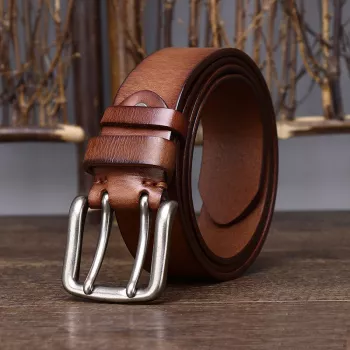
Mens Genuine Leather Belt with Double Pin Buckle
A double pin buckle belt balances durability, stability, and a bold, classic look. The two-prong design is a favorite for denim and workwear because it feels “set” once buckled and tends to sit firmly at the waist. Below is a practical guide to choosing genuine leather, dialing in sizing, styling a double pin buckle, and keeping a leather belt looking sharp through regular wear. For more guidance, see Introducing 2 in 1 reversible belt . #formalwear #belt #mensbelt ….
What Makes a Double Pin Buckle Belt Different
Compared with a single-prong buckle, a double pin (two-prong) buckle fastens into two holes at once. That simple change affects how the belt holds, how it wears over time, and how it looks with everyday outfits.
- Shared tension across two holes: With two prongs engaged, the load is distributed, which can feel more secure and help reduce twisting or shifting at the buckle end.
- A more substantial, rugged face: Double pin buckles often look heavier and more utilitarian than a dress belt buckle, pairing naturally with jeans, boots, and sturdier fabrics.
- A “locked-in” fit: Because both prongs engage, the belt can feel especially stable—but it also means width and hole spacing need to match your comfort preferences so the buckle sits flat without pinching.
Genuine Leather Basics: What to Expect
“Genuine leather” means the belt is made from real leather rather than a synthetic substitute, but it doesn’t guarantee a single, uniform quality level. Hide selection, thickness, finishing, and construction details all influence how a belt breaks in and how long it keeps its structure.
For a dependable everyday belt, look for a strap that feels firm (not papery), edges that are clean and protected, and a thickness that stays consistent along the length. A finished leather surface usually resists scuffs and stains better, while more natural finishes tend to show character sooner—both can perform well with simple, occasional care. If you want deeper background on best practices, consult a dedicated leather care resource like Leather Honey’s Leather Care Guide and consider leather sourcing standards from the Leather Working Group (LWG).
Leather Belt Traits to Check Before Buying
| Trait | What to look for | Why it matters |
|---|---|---|
| Strap stiffness | Firm with slight flex | Holds shape and supports trousers without rolling |
| Edge finish | Smooth, sealed or neatly stitched edges | Improves durability and reduces cracking/fraying |
| Buckle hardware | Solid feel, no sharp edges, prongs aligned | Comfort, reliable closure, and less wear on holes |
| Hole spacing | Even spacing and clean punches | Easier fit adjustments and cleaner wear over time |
Sizing and Fit: Measure Once, Wear Comfortably
A belt that fits well should buckle near the middle hole. That gives you flexibility to tighten or loosen as layers, rises, and seasonal changes affect how pants sit. Relying on pants waist size alone can be misleading because brands vary and rises differ—measuring a belt you already like is the most reliable approach.
- Find your reference belt: Choose the belt that fits best today.
- Measure correctly: Measure from the buckle’s base (where the leather folds around the buckle) to the hole you use most.
- Shop for a middle-hole fit: Aim for a size that lands that measurement on the belt’s center hole when possible.
If you’d like a visual walk-through of the measuring process, see wikiHow’s general guide to measuring for a belt (use it as a method reference, then compare against each brand’s size chart).
Quick Belt Size Check (Reference Guide)
| If your best-fitting belt measures (inches) | Suggested belt size to shop | Expected buckle-to-middle-hole fit |
|---|---|---|
| 32 | 32–34 | Middle hole or one off-center depending on brand |
| 34 | 34–36 | Middle hole for most standard hole spacing |
| 36 | 36–38 | Middle hole with room to adjust |
| 38 | 38–40 | Middle hole; consider thickness for heavier denim |
How to Wear a Double Pin Buckle Belt
Care and Maintenance for Long-Lasting Leather
Simple Leather Belt Care Schedule
| Task | How often | Notes |
|---|---|---|
| Wipe clean | After spills / as needed | Use a soft cloth; avoid harsh cleaners |
| Light conditioning | Every few months (or when dry) | Test on a small area first |
| Check buckle screws/keeper | Monthly | Tighten gently if needed; avoid overtightening |
| Storage | Always | Keep out of sunlight; avoid crushing in drawers |
Product Spotlight: Mens Genuine Leather Belt with Double Pin Buckle
If you want a sturdy everyday option with a classic, workwear-leaning look, the Mens Genuine Leather Belt with Double Pin Buckle is built around a secure two-prong closure and a substantial buckle profile that complements denim and boots. Before ordering, measure a best-fitting belt and aim for a comfortable middle-hole fit so the strap sits flat and the buckle feels stable rather than tight.
At-a-Glance Details
| Item | Details |
|---|---|
| Product name | Mens Genuine Leather Belt with Double Pin Buckle |
| Price | 51.51 USD |
| Availability | In stock |
| Product page | View product |
More In-Stock Picks
FAQ
Is a double pin buckle more secure than a single pin buckle?
Often, yes: two prongs share the load across two holes, which can reduce shifting and help the buckle sit more evenly. That said, security still depends on choosing the right size, having firm leather, and cleanly punched, well-spaced holes.
How should a leather belt fit when it’s the right size?
A good fit typically lands on the middle hole, leaving 1–2 holes to tighten or loosen. The belt tip usually extends a few inches past the first belt loop without being excessively long.
How do you maintain a genuine leather belt so it doesn’t crack?
Wipe it clean when needed, keep it away from direct heat, and condition lightly only when the leather looks dry. Avoid soaking the belt, and store it flat or gently hung so the buckle fold doesn’t crease sharply.












Leave a comment