-
Shop
- Advanced Technologies
- AI Skills
- AI Skills Mastery 2026 Collection
- Bathroom
- Best-Sellers
- Car Accessories
- Confidence
- Dating & Social Skills
- Digital Resources
- AI & Technology
- Beauty
- Budgeting & Saving
- Car Buying & Ownership
- Electronics & Technology
- Entrepreneurship & Business Growth
- Financial Independence
- Financial Mindset & Psychology
- Goal Setting
- Home Styling & Organization
- Kitchen & Recipes
- Leadership
- Mindset
- Online Business
- Parenting & Child Development
- Personal Style & Fashion
- Pet Lifestyle & Wellness
- Positive Thinking
- Sleep Improvement
- Smart Life with AI
- Stress Management & Relaxation
- Wellness
- Yoga & Mind-Body Practices
- Education & Learning
- Family & Parenting
- Fashion
- Financial Education
- Furniture
- Gadgets
- Health & Beauty
- Health & Wellness
- Home & Garden
- Home Electronics
- Kids & Babies
- Kitchen
- Kitchen Best-Sellers
- Lighting
- Luxury Brands Collection
- Patio, Lawn & Garden
- Personal Growth
- Pet Care
- Pet Supplies
- Pets
- Sport & Outdoors
- Stress Relief & Relaxation
- Travel
- Travel & Adventure
- Wealth
- Popular
- Best deals
Compact Car Trash Can with Lid: Mini Bin + Free Bags
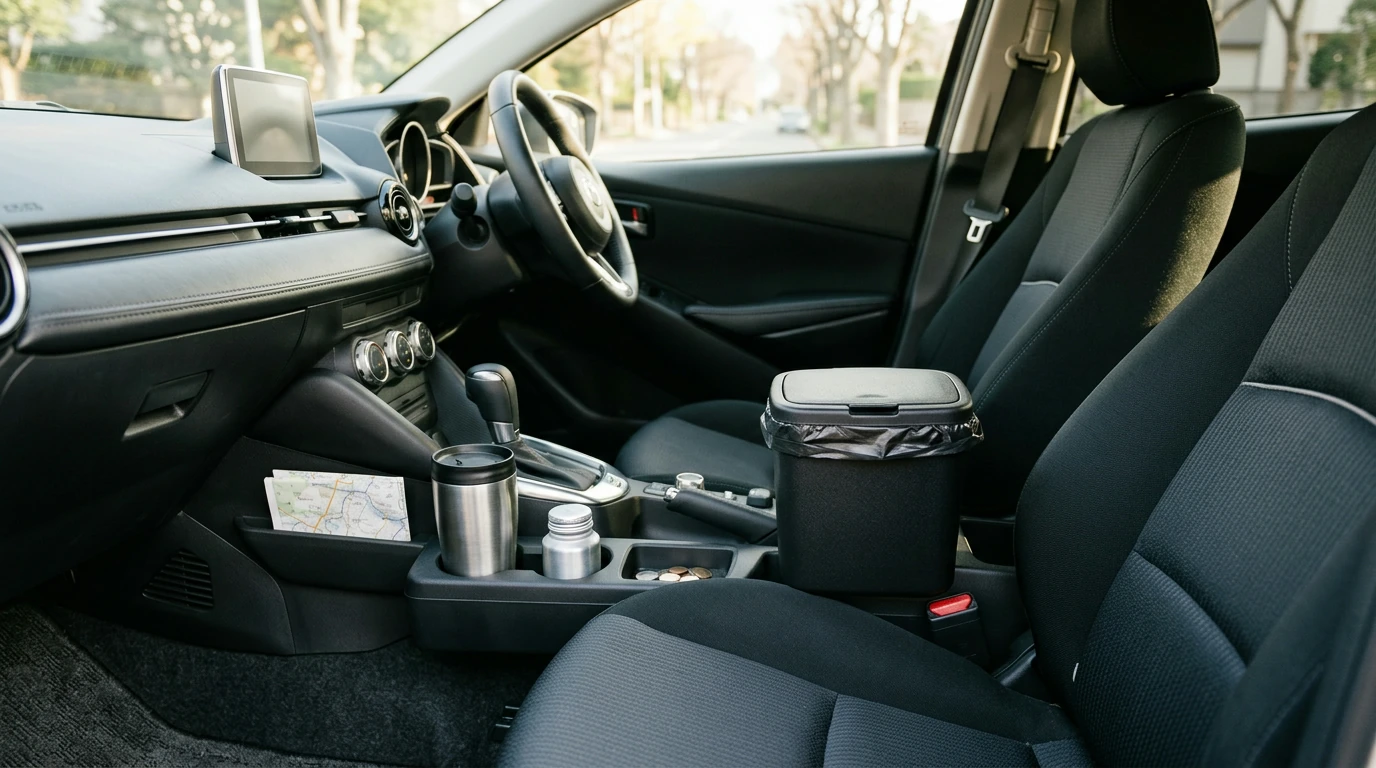
Compact Car Trash Can with Lid – Mini Waste Bin & Storage with Free Bags
A small trash solution inside a vehicle makes daily driving and longer trips noticeably cleaner. A lidded mini bin helps contain odors, keeps loose wrappers from blowing around, and doubles as a tidy storage spot for small items when needed. For anyone tired of door pockets stuffed with receipts or back seats dotted with snack debris, a compact trash can is one of the simplest upgrades you can add to your routine.
Why a lidded mini bin makes a difference in a car
Cars collect tiny bits of waste fast—especially when food, coffee, kids, or long commutes are involved. A compact bin with a lid solves several common pain points at once.
- Helps keep smells contained by covering used tissues, snack packaging, and receipts
- Prevents trash from spilling during turns, braking, or bumpy roads
- Reduces visual clutter so cupholders, door pockets, and center consoles stay usable
- Makes quick cleanups easier for families, commuters, rideshare drivers, and road-trippers
Even better, a lid adds a “drop-and-go” convenience: instead of balancing wrappers on the console or stuffing them into pockets, everything has a designated place the moment it’s used.
What this compact trash can is designed to handle
A mini car bin is made for everyday mess, not heavy-duty disposal. Used as intended, it keeps your interior consistently tidy without requiring a full cleanout every weekend.
- Everyday car waste: wrappers, gum, coffee stirrers, parking stubs, napkins, and wipes
- Kid and pet mess helpers: small snack debris, stickers backing, and disposable bags
- Light organization: can temporarily hold small accessories instead of letting them roam (charging cables, mints, spare change)
If you sometimes use it as temporary storage (for example, keeping charging cords from tangling), the lid still helps the cabin look calmer—especially in compact cars where every surface gets noticed.
Key features at a glance
The best mini bins work because they’re easy to live with: they fit where you need them, open and close quickly, and don’t make emptying a chore.
- Compact footprint to fit in tight spaces without taking over legroom
- Lid helps keep contents discreet and reduces odor spread
- Includes free bags so it can be used immediately without hunting for the right liner
- Acts as both waste bin and small storage container depending on the moment
Quick guide: how the features help in real use
| Feature | What it helps with | Best use case |
|---|---|---|
| Lid | Contains mess and minimizes smell | Food wrappers, used tissues, wipes |
| Compact size | Fits neatly without crowding passengers | Small cars, rideshare, back seats |
| Free bags included | Easy setup and cleaner emptying | Road trips, busy schedules |
| Storage option | Keeps small items together when not used for trash | Cables, spare coins, travel-sized items |
Where to place it for the best day-to-day experience
Placement matters almost as much as the bin itself. The best spot is the one that makes throwing something away effortless—without stealing the space you rely on.
- Front seat area: convenient for commuters who snack or drink coffee on the way
- Back seat: practical for families to contain kid-related packaging and tissues
- Center area or console side: keeps the bin within reach without blocking cupholders
- Trunk use (optional): useful for small trash during grocery runs or quick errands
If you drive for rideshare or carpool, consider a location that’s reachable from both rows. That way, passengers can toss items without asking where to put them—reducing the chance of trash getting left in seat pockets.
Keeping it clean and odor-controlled
Small bins stay freshest when they’re treated like “daily reset” items rather than long-term storage. A quick refresh routine beats a deep clean later.
- Replace the liner frequently if used for food waste; a small bin stays freshest with smaller, more frequent changes
- Wipe the interior with a mild cleaner or disinfecting wipe; dry before inserting a new bag
- Avoid liquid-heavy waste; for drips, use an absorbent napkin or a sealed pouch first
- Keep a small pack of wipes nearby for quick resets after drive-thru meals or spills
For general cleaning guidance, the CDC’s approach to cleaning and disinfecting emphasizes routine surface cleaning and using products as directed on labels; it’s a helpful reference for maintaining frequently touched and frequently used items in everyday environments. CDC — Cleaning and Disinfecting
When you’re emptying the bin, separating recyclables when possible can also reduce the amount of mixed waste in your car. EPA — Reduce, Reuse, Recycle
Simple routine for a tidier car
A clean car is usually the result of a small, repeatable routine—done consistently—rather than one big cleaning day once a month.
Product options in stock
- Compact Car Trash Can with Lid – Mini Waste Bin & Storage with Free Bags (in stock)
- The Smart Bundle to Avoid Travel Scams: 3-in-1 Digital Guide, Checklist & AI Tools (in stock)
FAQ
Will a compact lidded bin help with odors in a car?
Yes—closing the lid reduces how much odor spreads through the cabin, especially from food wrappers and used tissues. For best results, replace bags frequently (small bins stay fresher with quicker changes), avoid liquid-heavy waste, and wipe the interior regularly.
Where is the best place to keep a small trash can in a car?
The best spot is where you’ll actually use it: front-seat commuters often prefer the front/console area, families may place it in the back seat, and shared vehicles benefit from a center location reachable by both rows. Choose a placement that doesn’t block cupholders or legroom.
How often should the bag be replaced?
Replace the bag when it’s about two-thirds full or after food-related trips to keep odors and leaks under control. Because compact bins fill quickly, more frequent swaps usually feel cleaner and easier than waiting until it’s packed.
Recommended for you


Gucci Unwrapped: Codes, Eras, and Iconic Details
Aug 10, 2026













Leave a comment