-
Shop
- Advanced Technologies
- AI Skills
- AI Skills Mastery 2026 Collection
- Bathroom
- Best-Sellers
- Car Accessories
- Confidence
- Dating & Social Skills
- Digital Resources
- AI & Technology
- Beauty
- Budgeting & Saving
- Car Buying & Ownership
- Electronics & Technology
- Entrepreneurship & Business Growth
- Financial Independence
- Financial Mindset & Psychology
- Goal Setting
- Home Styling & Organization
- Kitchen & Recipes
- Leadership
- Mindset
- Online Business
- Parenting & Child Development
- Personal Style & Fashion
- Pet Lifestyle & Wellness
- Positive Thinking
- Sleep Improvement
- Smart Life with AI
- Stress Management & Relaxation
- Wellness
- Yoga & Mind-Body Practices
- Education & Learning
- Family & Parenting
- Fashion
- Financial Education
- Furniture
- Gadgets
- Health & Beauty
- Health & Wellness
- Home & Garden
- Home Electronics
- Kids & Babies
- Kitchen
- Kitchen Best-Sellers
- Lighting
- Luxury Brands Collection
- Patio, Lawn & Garden
- Personal Growth
- Pet Care
- Pet Supplies
- Pets
- Sport & Outdoors
- Stress Relief & Relaxation
- Travel
- Travel & Adventure
- Wealth
- Popular
- Best deals
2-in-1 Laser Tape Measure: 135 ft Laser, 16 ft Tape
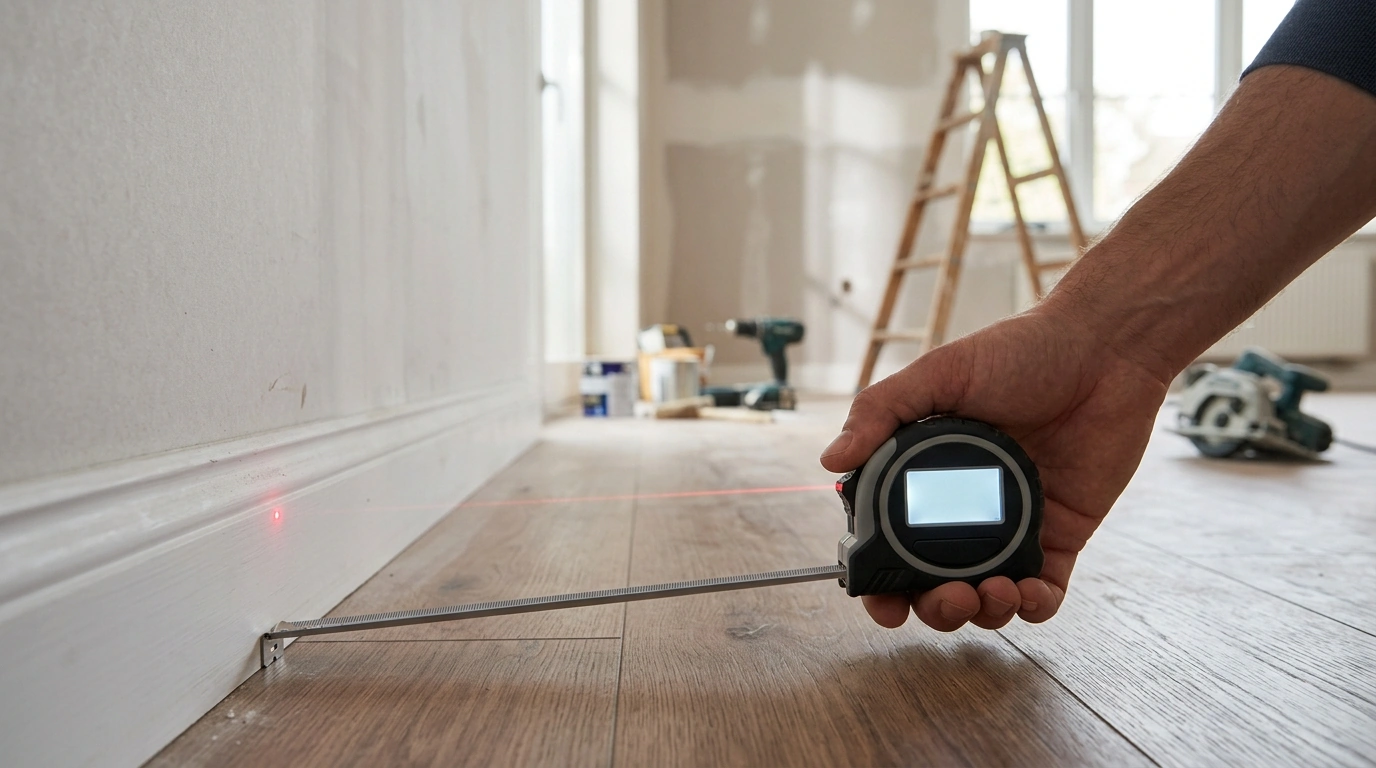
2-in-1 Laser Tape Measure with Digital Display: Fast Room Sizing and Precise Short-Range Measuring
A 2-in-1 laser tape measure combines a long-range laser distance tool with a classic tape for close-in work, then shows the result on a clear digital display. This setup helps speed up common tasks like estimating room dimensions, checking spacing for furniture or fixtures, and confirming cut lengths without switching tools.
What a 2-in-1 laser + tape tool does better than a standard tape
Traditional tape measures are dependable, but they’re not always efficient when you’re measuring across open space or working alone. A combined laser-and-tape tool closes the gap between fast distance checks and hands-on measuring where a physical hook matters.
- Measures longer straight-line distances quickly with the laser (useful for rooms, hallways, and exterior checks).
- Handles short, tactile measurements with the tape when a physical hook is needed (edges, inside corners, and trim).
- Digital display reduces reading errors from angled viewing or low light compared with printed tape markings alone.
- Supports quick repeatability when checking multiple similar spans during layout and planning.
Product snapshot: 135 ft laser + 16 ft tape with digital display
This style of tool is built for everyday measuring with a “best of both worlds” approach: a laser for the long shot and a familiar tape for the details. The digital readout is the centerpiece—especially when you’re measuring overhead, across a room, or in dim spaces where tape markings can be easy to misread.
- Configuration: laser distance measuring up to 135 ft plus an integrated 16 ft tape for everyday measuring.
- Digital display presents readings clearly, which is especially helpful when measuring overhead, across rooms, or in dim areas.
- Best fit: home improvement, basic remodeling, furniture planning, and general jobsite measurements where speed matters.
Quick specs at a glance
| Feature | What it means for daily use |
|---|---|
| Laser range (up to 135 ft) | Fast room-sized measurements without stretching a tape across open space |
| Tape length (16 ft) | Reliable close-range measuring for boards, cabinets, openings, and hardware placement |
| Digital display | Easier to confirm readings quickly and reduce misreads |
When to use laser vs. tape (and when to use both)
The most accurate approach often depends on what you can reference. Lasers excel when you have a clean line of sight; tapes excel when you can hook an edge and control the starting point.
- Use the laser for long, unobstructed paths: wall-to-wall, floor-to-ceiling, or point-to-point checks where the beam can hit a target.
- Use the tape for short spans and edges: measuring from a lip, inside a cabinet opening, or when a physical end-stop matters.
- Use both to verify: take a laser reading for speed, then confirm a critical cut length with the tape before committing.
Common measuring scenarios
| Task | Best method | Why |
|---|---|---|
| Room length/width | Laser | Quicker than pulling a tape across open space |
| Cabinet opening width | Tape | Hooking edges improves consistency |
| Ceiling height spot-check | Laser | Single-person measurement without a ladder helper |
| Cut list for trim | Tape (confirm) | Physical reference reduces risk on critical cuts |
Getting accurate readings: simple setup habits
Small habits make a big difference in consistency—especially when measuring across a room or to a high point where it’s easy to tilt the tool without noticing.
- Start from a consistent reference point: place the tool flat and square to the surface to avoid angled measurements.
- Stabilize for long shots: brace the tool against a wall or use a steady stance so the laser point stays fixed.
- Use a good target surface: a clear, non-glossy endpoint helps the laser return a more consistent reading.
- Repeat once for critical dimensions: two quick readings help catch movement, obstructions, or an off-angle setup.
For overhead measurements, safety matters as much as accuracy. If you do need a ladder, follow established guidance like NIOSH ladder safety recommendations to reduce fall risk. And for laser use in shared spaces, a practical overview of safe handling is covered in resources aligned with ANSI Z136 laser safety information.
Practical use cases at home and on the job
A 2-in-1 laser tape measure shines in “mixed distance” projects—where you’re bouncing between room-scale sizing and detail-level checks.
Care, storage, and safe handling
Who this 2-in-1 setup is most useful for
More in-stock picks to consider
- Modern White Vanity Makeup Table Set with Lighted Mirror and Storage
- The Smart Bundle to Avoid Travel Scams: 3-in-1 Digital Guide, Checklist & AI Tools
- Easy Online Store Setup Bundle: 4-in-1 Guide to Social Store, Google Console, and More
FAQ
How accurate are laser tape measures compared with a standard tape?
Laser readings are typically very consistent when the tool is held square to the target and the endpoint is stable and easy to “hit.” For critical cut lengths, confirm with the integrated tape and repeat the laser reading once to catch angle or movement issues.
What should be measured with the 16 ft tape instead of the laser?
Use the tape for edge-referenced measurements like inside openings, cabinet widths, and short spans where a hooked end-stop improves consistency. If the target is glossy/reflective or the line of sight is cluttered, the tape is often more dependable.
Why does a laser reading change when measuring the same distance twice?
Small changes in angle, hand movement, or a shifting target surface can alter the result, and even minor obstructions can affect the beam. Brace the tool, aim at a clearer target, and take a second confirmation reading for important dimensions.
Recommended for you


Fun Chore System for Kids: Quick Setup, Less Arguing
Aug 10, 2026













Leave a comment