-
Shop
- Advanced Technologies
- AI Skills
- AI Skills Mastery 2026 Collection
- Bathroom
- Best-Sellers
- Car Accessories
- Confidence
- Dating & Social Skills
- Digital Resources
- AI & Technology
- Beauty
- Budgeting & Saving
- Car Buying & Ownership
- Electronics & Technology
- Entrepreneurship & Business Growth
- Financial Independence
- Financial Mindset & Psychology
- Goal Setting
- Home Styling & Organization
- Kitchen & Recipes
- Leadership
- Mindset
- Online Business
- Parenting & Child Development
- Personal Style & Fashion
- Pet Lifestyle & Wellness
- Positive Thinking
- Sleep Improvement
- Smart Life with AI
- Stress Management & Relaxation
- Wellness
- Yoga & Mind-Body Practices
- Education & Learning
- Family & Parenting
- Fashion
- Financial Education
- Furniture
- Gadgets
- Health & Beauty
- Health & Wellness
- Home & Garden
- Home Electronics
- Kids & Babies
- Kitchen
- Kitchen Best-Sellers
- Lighting
- Luxury Brands Collection
- Patio, Lawn & Garden
- Personal Growth
- Pet Care
- Pet Supplies
- Pets
- Sport & Outdoors
- Stress Relief & Relaxation
- Travel
- Travel & Adventure
- Wealth
- Popular
- Best deals
White Tiger Hybrid Planar IEMs: Fit, Sound & Setup

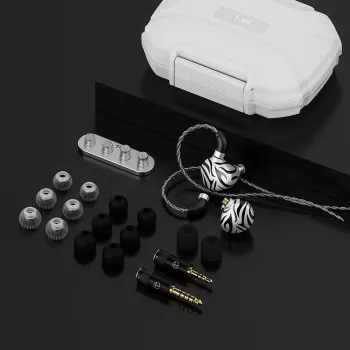
White Tiger In-Ear Headphones with Hybrid Dual Driver & Planar Diaphragm
Built for detail, speed, and impact, the White Tiger in-ear headphones combine a hybrid dual-driver layout with a planar diaphragm to deliver a lively, high-resolution listen in a truly portable form. If you’re upgrading from bundled earphones or a basic single-driver set, this kind of configuration is designed to make mixes feel more organized: bass hits with control, vocals stay readable, and small spatial cues are easier to pick out.
Below is a practical breakdown of what this design tends to change in day-to-day use, how to dial in the fit (which matters more than most people expect), and how to get consistent performance from common sources like phones, dongles, laptops, and handheld consoles.
What the Hybrid Dual Driver + Planar Diaphragm Design Means
Hybrid dual-driver earphones typically split duties across two driver types to keep the sound cleaner across the frequency range. Instead of asking one driver to do everything, a crossover (or tuning strategy) allocates bass and mid/treble information so complex passages don’t blur together as easily.
The planar diaphragm element is often associated with quick transient response—those “start/stop” moments in sound like drum hits, plucked strings, and the bite of a synth. When implemented well, that speed can reduce haze and help separate layers, which is a big reason listeners describe planar-style sets as “crisp” or “resolving.”
In practical terms, the goal of a hybrid approach is simple: keep bass weight and dynamics while preserving mid/treble detail and stable imaging. For many listeners, this is the sweet spot when you want strong technical performance without jumping to a bulkier over-ear setup.
Sound Profile: What to Expect Across the Range
Bass
Expect punch and definition rather than slow bloom. The key variable is seal: sub-bass presence can swing dramatically depending on ear-tip size, material, and insertion depth. With a stable seal, low notes tend to feel more “pressurized” and controlled.
Mids
With a well-tuned crossover, vocals and guitars generally stay intelligible even when the mix gets crowded. A common benefit of hybrid setups is reduced bass masking—so the midrange doesn’t feel buried when the kick drum and bassline are active.
Treble
Planar-style speed can spotlight micro-details like cymbal texture, room tone, and reverb tails. If you’re sensitive to brightness, volume moderation goes a long way; clarity can feel “louder” than expected even when SPL is reasonable.
Imaging and separation
Many hybrid configurations improve instrument placement and reduce “smearing” during fast, complex passages. This is especially noticeable in busy pop, electronic, and rock tracks, and it can also help positional cues in game audio feel more precise.
Comfort, Fit, and Isolation for Everyday Wear
Fit is the single biggest factor in both comfort and bass performance. A stable seal prevents the sound from turning thin and also reduces outside noise, which helps keep listening volumes safer.
- Ear tips: A slightly larger tip often improves isolation and low-end extension. Foam tips can add comfort and can gently damp treble peaks if you’re treble-sensitive.
- Insertion depth: Shallow insertion can reduce bass and increase perceived treble. A slightly deeper, secure insertion often improves balance and stability.
- Cable routing: Gentle over-ear routing (when supported) can reduce microphonics (cable noise) and keep the earpieces steadier during walking.
- Commuting: Better isolation means you don’t have to “fight” ambient noise, which supports safer listening habits. For additional guidance, see NIOSH safe listening recommendations and the WHO Make Listening Safe initiative.
Feature Snapshot and Key Specs at a Glance
The White Tiger is positioned as an accessible step-up for listeners curious about planar-style detail in an IEM form—small enough for pockets and day bags, yet tuned to emphasize clarity alongside impact.
| Item | Details |
|---|---|
| Model | White Tiger In-Ear Headphones with Hybrid Dual Driver & Planar Diaphragm |
| Type | In-ear headphones (IEM) |
| Driver system | Hybrid dual driver with planar diaphragm |
| Price | $79.97 |
| Availability | In stock |
Getting the Best Performance: Setup Tips
Who It’s For (and Who Should Skip It)
Products Available Now
- White Tiger In-Ear Headphones with Hybrid Dual Driver & Planar Diaphragm ($79.97) — a focused option for crisp, high-resolution sound with solid bass control.
- The Smart Bundle to Avoid Travel Scams: 3-in-1 Digital Guide, Checklist & AI Tools ($298.99) — a practical digital bundle for frequent travelers.
- Modern White Vanity Makeup Table Set with Lighted Mirror and Storage ($311.97) — a storage-forward vanity setup with integrated lighting.
FAQ
Do hybrid dual-driver in-ear headphones need a special amplifier?
Most hybrid IEMs work well from phones, dongles, and laptops, so a special amplifier usually isn’t required. A cleaner source can reduce hiss and improve dynamics, but fit and seal will typically make the biggest audible difference.
What does a planar diaphragm change in an in-ear headphone?
A planar diaphragm often improves perceived speed, detail, and separation, helping transients sound cleaner and layers feel more distinct. The final result still depends heavily on tuning and achieving a consistent seal with the right ear tips.
Why do these sound thin or bass-light sometimes?
The most common cause is an imperfect seal from the wrong tip size or shallow insertion, which leaks bass and shifts the balance brighter. Try a slightly larger tip, consider foam tips, and adjust insertion depth and cable routing until the earpieces feel stable.















Leave a comment