-
Shop
- Advanced Technologies
- AI Skills
- AI Skills Mastery 2026 Collection
- Bathroom
- Best-Sellers
- Car Accessories
- Confidence
- Dating & Social Skills
- Digital Resources
- AI & Technology
- Beauty
- Budgeting & Saving
- Car Buying & Ownership
- Electronics & Technology
- Entrepreneurship & Business Growth
- Financial Independence
- Financial Mindset & Psychology
- Goal Setting
- Home Styling & Organization
- Kitchen & Recipes
- Leadership
- Mindset
- Online Business
- Parenting & Child Development
- Personal Style & Fashion
- Pet Lifestyle & Wellness
- Positive Thinking
- Sleep Improvement
- Smart Life with AI
- Stress Management & Relaxation
- Wellness
- Yoga & Mind-Body Practices
- Education & Learning
- Family & Parenting
- Fashion
- Financial Education
- Furniture
- Gadgets
- Health & Beauty
- Health & Wellness
- Home & Garden
- Home Electronics
- Kids & Babies
- Kitchen
- Kitchen Best-Sellers
- Lighting
- Luxury Brands Collection
- Patio, Lawn & Garden
- Personal Growth
- Pet Care
- Pet Supplies
- Pets
- Sport & Outdoors
- Stress Relief & Relaxation
- Travel
- Travel & Adventure
- Wealth
- Popular
- Best deals
Hooded Duck Down Sleeping Bag: 0°F–32°F Warmth Tips
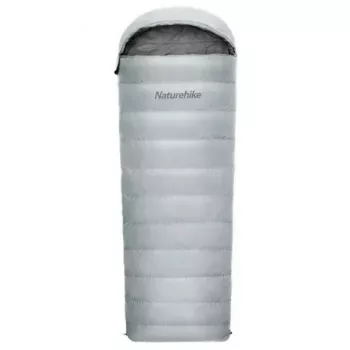
Warm Duck Down Sleeping Bag with Hood for Cold-Weather Camping (0°F to 32°F)
Cold nights are easiest to handle when insulation, fit, and moisture control work together. A hooded duck down sleeping bag is built to help you stay comfortable on chilly campouts from about 0°F to 32°F by sealing warmth around the head and shoulders, delivering pack-friendly loft, and rewarding a few smart habits that keep down performing in real conditions. For more guidance, see 5 Common Mistakes When Setting Up Your Sleep System.
What Makes a Cold-Weather Sleeping Bag Feel Warm
A temperature range is a helpful starting point, but your actual warmth depends on your whole sleep system. Metabolism (hot sleeper vs. cold sleeper), what you wear to bed, the insulating value of your sleeping pad, wind exposure, humidity, and tent ventilation all influence how a bag feels overnight. For a deeper look at how ratings are commonly discussed, see REI’s sleeping bag temperature ratings overview. For further reading, see Sleeping bags for cold weather.
Down insulation is warm for its weight because it traps still air in its loft. That efficiency relies on keeping the down fluffy and dry—compression and moisture reduce the air it can hold, which can make a “warm” bag feel underpowered. A shaped hood and a snug draft-control area are also critical in freezing conditions because your head/neck region can leak heat quickly when the air is cold and moving.
Think of warmth as a system: sleeping bag + insulated pad + dry base layers + a shelter setup that blocks wind. When one part is weak (often the pad), the rest has to work harder.
Product Overview: Warm Duck Down Camping Sleeping Bag with Hood
This bag is designed for cold-weather camping with a hooded shape that helps seal in warmth around the head and neck. It can cover a wide range—from crisp fall evenings to winter-adjacent nights—depending on layering and your sleeping pad choice. Duck down insulation aims to balance warmth and packability for car camping, basecamp setups, and short backpacking trips where volume still matters.
To reduce heat loss into the ground, pair it with an insulated sleeping pad, especially near 32°F and below. Ground chill is one of the fastest ways to feel cold even inside a high-loft bag.
Quick Specs Snapshot
| Detail | What to Know |
|---|---|
| Temperature range | 0°F to 32°F (performance varies with pad, layers, wind, and humidity) |
| Insulation type | Duck down (loft-dependent warmth; keep it dry) |
| Hood | Helps reduce heat loss from head and neck on cold nights |
| Use cases | Cold-weather camping, shoulder season trips, drafty cabins, emergency car kit |
| Availability | In stock |
If you’re ready to outfit your kit, find the product here: Warm Duck Down Camping Sleeping Bag with Hood – 0°F to 32°F Cold-Weather Gear.
How to Match the Bag to Your Trip (0°F, 20°F, 32°F Scenarios)
Camping around 32°F
At the freezing mark, drafts and ground chill matter more than people expect. Use an insulated pad, wear light dry base layers, and consider a beanie if you tend to lose heat through your head. Keep the hood engaged to block small air leaks around your neck and cheeks.
Camping around 20°F
At ~20°F, your setup benefits from a warmer base layer (still breathable), careful hood cinching, and reducing empty space inside the bag so your body can warm it faster. If the bag feels roomy, fill “dead air” with dry clothing—without crushing the down.
Camping near 0°F
Near 0°F, prioritize the pad first: a higher-insulation sleeping pad (or stacking a foam pad under an air pad) helps prevent conductive heat loss. Add dry sleep socks and be disciplined about moisture management. If you sleep cold, a liner can add comfort and reduce the need for bulky layers that might compress insulation.
Condensation and humid cold
When wet snow or high humidity is likely, ventilate the tent slightly to reduce condensation and avoid breathing into the bag. Moisture that settles into down reduces loft and warmth. For an industry perspective on performance requirements and test approaches, refer to ISO 23537 (Sleeping bags — performance requirements) overview.
Dialing In Fit, Hood, and Draft Control
Moisture, Loft, and Long-Term Care (Down-Friendly Habits)
Packing and Camp Setup Checklist for Colder Nights
Planning and preparation matter as much as gear choices; Leave No Trace’s Plan Ahead and Prepare is a solid refresher before cold-weather trips.
Is This Sleeping Bag a Good Fit for Your Camping Style?
Helpful add-on for trip planning
If you travel frequently and want a practical planning resource beyond camping gear, this digital option is available: The Smart Bundle to Avoid Travel Scams: 3-in-1 Digital Guide, Checklist & AI Tools.
FAQ
Is a 0°F to 32°F sleeping bag warm enough for freezing temperatures?
It can be, but it depends heavily on your sleeping pad insulation, clothing layers, wind exposure, and how warmly you sleep. For the best results near freezing, use an insulated pad, cinch the hood and draft area, and keep the bag dry so the down stays lofted.
How do you keep a down sleeping bag warm in damp or snowy conditions?
Store it in a dry bag or pack liner, ventilate your tent to reduce condensation, and air the bag out when you can to restore loft. Avoid breathing into the bag and change into dry sleep layers to keep moisture away from the down.
Should you wear extra clothes inside a down sleeping bag?
Yes—wearing dry, non-restrictive layers can boost comfort, especially socks and a hat. Skip bulky layers that compress the down; if you add a puffy, use it strategically (like around the hips or feet) without crushing loft.















Leave a comment