-
Shop
- Advanced Technologies
- AI Skills
- AI Skills Mastery 2026 Collection
- Bathroom
- Best-Sellers
- Car Accessories
- Confidence
- Dating & Social Skills
- Digital Resources
- AI & Technology
- Beauty
- Budgeting & Saving
- Car Buying & Ownership
- Electronics & Technology
- Entrepreneurship & Business Growth
- Financial Independence
- Financial Mindset & Psychology
- Goal Setting
- Home Styling & Organization
- Kitchen & Recipes
- Leadership
- Mindset
- Online Business
- Parenting & Child Development
- Personal Style & Fashion
- Pet Lifestyle & Wellness
- Positive Thinking
- Sleep Improvement
- Smart Life with AI
- Stress Management & Relaxation
- Wellness
- Yoga & Mind-Body Practices
- Education & Learning
- Family & Parenting
- Fashion
- Financial Education
- Furniture
- Gadgets
- Health & Beauty
- Health & Wellness
- Home & Garden
- Home Electronics
- Kids & Babies
- Kitchen
- Kitchen Best-Sellers
- Lighting
- Luxury Brands Collection
- Patio, Lawn & Garden
- Personal Growth
- Pet Care
- Pet Supplies
- Pets
- Sport & Outdoors
- Stress Relief & Relaxation
- Travel
- Travel & Adventure
- Wealth
- Popular
- Best deals
How Fendi Built a Global Identity From Roman Heritage

Evolution of Fendi’s Brand Identity: From Roman Workshop to Global Icon
Fendi’s identity has shifted from a family-run Roman leather and fur house into a modern luxury brand recognized for bold codes, architectural accessories, and high-visibility collaborations. The result is a brand that can feel simultaneously grounded in place and instantly recognizable on a global street style feed. Understanding how that happened—without losing the credibility of craft—offers a clear look at how heritage brands grow over decades while staying legible to new audiences. For more guidance, see The Future of – Quiet Luxury.
What “brand identity” means in a heritage luxury house
In heritage luxury, brand identity isn’t the same as a season’s trend direction. It’s the durable set of cues that stays recognizable even when silhouettes, styling, and casting evolve. Think of it as a memory system: materials, craftsmanship standards, icon shapes, recurring symbols, and a consistent point of view that survives creative turnover. For further reading, see Changing lives in the Dominican Republic: Fendi’s story.
Those cues become a full code system—logo and typography, color habits, signature motifs, product architecture, packaging, store experience, and tone of voice. Luxury adds pressure: the brand must protect heritage while staying current, and pricing power depends heavily on perception. Creative directors function not only as designers but as public-facing strategists translating house codes into a contemporary language.
Fendi is a useful case study because its timeline is well documented, its icons are clear, and its most recognizable codes can travel across categories—from ready-to-wear to small leather goods and campaign imagery—without needing explanation.
Early foundations: Rome, craftsmanship, and a family-run house
Fendi’s origins in Rome built an identity rooted in quality leather goods and fur expertise. Early on, the house communicated status through materials and finishing rather than overt logos—an approach that reads today as “quiet” luxury, even though it predates the modern term. The atelier mattered: handwork, precision, and a practical elegance that made sense for real clients, not just runways.
Rome also became more than geography—it became narrative infrastructure. Roman roots can anchor storytelling through architecture references, city backdrops, and a sense of lineage. For heritage brands, that kind of place-based credibility functions like proof: it signals continuity, tradition, and an origin that can’t be replicated overnight.
Family stewardship tends to reinforce consistency, because values and client expectations are carried forward with a long institutional memory. When that continuity is preserved through later eras, it becomes a stabilizer—especially when the brand expands internationally.
The Karl Lagerfeld era: the moment Fendi became a modern code system
Signature symbols and product icons that carried the identity globally
Key identity building blocks and how they show up
| Identity element | How it appears | What it signals |
|---|---|---|
| Roman heritage | Campaign settings, architecture references, brand storytelling | Authenticity, lineage, place-based prestige |
| FF motif / monogram language | All-over patterns, hardware, trims, accessories | Recognition, confidence, status visibility |
| Craft and materials | Leatherwork, fur innovations, finishing, atelier narratives | Quality, scarcity, justification for premium pricing |
| Icon bag architecture | Repeat silhouettes updated by color, size, hardware | Continuity, collectability, resale desirability |
| Playful luxury attitude | Unexpected color pairings, whimsical details, bold styling | Modernity, cultural relevance, fashion leadership |
From Italian house to LVMH era: scaling without losing the codes
Maintaining craftsmanship credibility at scale typically requires rigorous quality control, clear product tiering, and consistent atelier messaging. Investment also matters: global campaigns, flagship environments, and long-term accessory strategies help reinforce what the brand stands for in every market. For additional context on the house’s current positioning, see the LVMH Fendi brand page and the Encyclopaedia Britannica overview.
Era shifts and contemporary identity: womenswear, menswear, and cultural collaborations
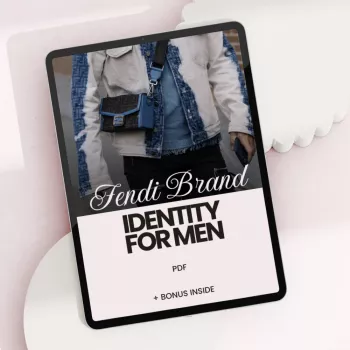
Menswear and accessories multiply identity because they broaden the audience while keeping the brand’s symbols in circulation. Collaborations and capsules can amplify this effect when they reinforce house codes; they can also dilute meaning if the partner identity overwhelms the brand’s core cues. Digital-first branding raises the stakes further: social visuals reward fast recognition, so symbols, repeatable silhouettes, and consistent styling signals become even more valuable. For the brand’s own presentation of its codes and collections, the FENDI official website is the primary reference point.
Lessons from Fendi’s legacy growth that apply beyond fashion
Reading guide: what the eBook covers and who it’s for
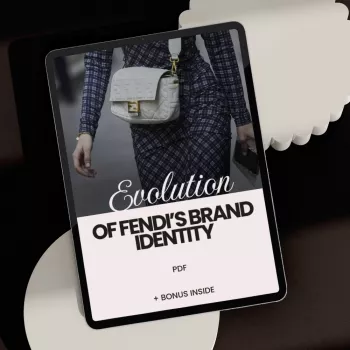
For a structured, timeline-based overview of how Fendi’s codes formed and scaled, explore Evolution of Fendi’s Brand Identity – eBook Guide to Fendi’s Legacy & Growth. It’s designed for readers interested in luxury branding, fashion history, and how identity evolves across decades.
It’s especially useful for students, collectors, marketers, and entrepreneurs building competitive review frameworks or mapping how symbols, products, campaigns, and positioning connect across creative eras. If you’re applying these lessons to commerce and brand building more broadly, Easy Online Store Setup Bundle: 4-in-1 Guide to Social Store, Google Console, and More complements the strategy side by focusing on practical setup and operational readiness.
FAQ
What makes Fendi’s brand identity recognizable across different creative eras?
Enduring codes—Roman heritage, craftsmanship emphasis, the FF motif/monogram language, and recognizable accessory architecture—stay consistent even as styling and silhouettes shift. Those repeated cues create continuity that outlasts any single season.
How did the FF motif and icon bags influence Fendi’s global growth?
Repeatable symbols drive instant recognition, while bags and small leather goods scale across markets as accessible entry points into the brand. Icons also create continuity and collectability, letting campaigns and seasonal updates refresh the same core silhouette.
Is this eBook useful for branding work outside of fashion?
Yes. The framework—codifying core cues, building icons, iterating with discipline, and tying heritage to a current promise—translates well to beauty, lifestyle, hospitality, and premium services.
Recommended for you
Men’s Capsule Wardrobe: Build a 25-Piece Closet
Aug 5, 2026











Leave a comment