-
Shop
- Advanced Technologies
- AI Skills
- AI Skills Mastery 2026 Collection
- Bathroom
- Best-Sellers
- Car Accessories
- Confidence
- Dating & Social Skills
- Digital Resources
- AI & Technology
- Beauty
- Budgeting & Saving
- Car Buying & Ownership
- Electronics & Technology
- Entrepreneurship & Business Growth
- Financial Independence
- Financial Mindset & Psychology
- Goal Setting
- Home Styling & Organization
- Kitchen & Recipes
- Leadership
- Mindset
- Online Business
- Parenting & Child Development
- Personal Style & Fashion
- Pet Lifestyle & Wellness
- Positive Thinking
- Sleep Improvement
- Smart Life with AI
- Stress Management & Relaxation
- Wellness
- Yoga & Mind-Body Practices
- Education & Learning
- Family & Parenting
- Fashion
- Financial Education
- Furniture
- Gadgets
- Health & Beauty
- Health & Wellness
- Home & Garden
- Home Electronics
- Kids & Babies
- Kitchen
- Kitchen Best-Sellers
- Lighting
- Luxury Brands Collection
- Patio, Lawn & Garden
- Personal Growth
- Pet Care
- Pet Supplies
- Pets
- Sport & Outdoors
- Stress Relief & Relaxation
- Travel
- Travel & Adventure
- Wealth
- Popular
- Best deals
Fendi Menswear Identity: Capsule, Checklist & AI Styling
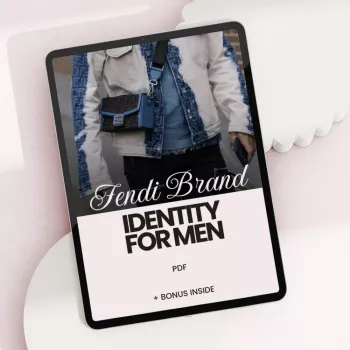
Fendi’s menswear identity sits at the intersection of sharp Italian tailoring, confident logo language, and elevated textures—without tipping into costume. The goal is a repeatable system: a simple checklist for buying and outfit-building, a capsule wardrobe framework that stays consistent across seasons, and an AI-assisted planning method that keeps choices intentional for work, weekends, and travel. For more guidance, see Capsule Wardrobe Guide For Men.
What “Fendi” Communicates in Menswear
A Fendi-leaning look reads polished and modern, with strong structure and controlled statements rather than constant loud branding. Think “power casual”: refined enough for a meeting, relaxed enough for an upscale weekend. For further reading, see Guide to Building a Capsule Wardrobe for Men.
- Silhouette: clean, structured lines with intentional volume—never sloppy, never overly tight.
- Texture and finish: premium leather, technical fabrics, and rich knits that read luxurious at arm’s length.
- Brand codes: FF monogram, Pequin stripe inspirations, and bold but controlled hardware details.
- Color story: neutrals anchored by black, tobacco, beige, and occasional saturated accents (yellow, red, or seasonal brights).
- Overall impression: confident, modern, and polished—more “power casual” than streetwear-only.
If you want to calibrate your reference points, browse current brand styling on the Fendi Official Site and compare broader menswear guidance from GQ Style.
The Non-Negotiables Checklist (Printable Mindset)
Use this like a pre-flight check before buying or getting dressed. It keeps the “Fendi” signal clean and premium even when your outfit is mostly basics.
- Fit check: shoulders aligned, sleeves end at the wrist bone, trousers break cleanly; tailor before upgrading brands.
- Material check: leather feels substantial; knits rebound; hardware looks weighty, not thin or hollow.
- Logo discipline: choose one focal point per outfit (monogram bag OR logo belt OR statement knit).
- Contrast control: pair one bold element with quiet companions (e.g., logo outerwear with plain trousers).
- Footwear rule: shoes and belt/strap hardware should harmonize (tone and metal finish) when possible.
- Lifestyle filter: only buy pieces that fit at least two use cases (office + dinner, travel + weekend).
Capsule Wardrobe Blueprint: Build the “Fendi Frame” First
The fastest way to look intentional is to build a quiet, structured base and then rotate one signature item at a time. Prioritize outerwear and bags because they deliver the highest identity impact; keep base layers calmer so everything mixes easily.
- Start with a neutral backbone: black/charcoal outer layer, two refined tops, one premium knit, one crisp shirt.
- Add a signature accessory lane: belt, wallet/cardholder, or a compact crossbody—avoid stacking all at once.
- Prioritize outerwear and bags for brand identity impact; keep base layers quieter for versatility.
- Choose one statement piece per season: a monogram jacket, standout sneaker, or graphic knit.
12-Piece Capsule Map for a Fendi-Led Look
| Category | Core Pick | Why It Works | Outfit Notes |
|---|---|---|---|
| Outerwear | Structured bomber or tailored coat | Defines silhouette immediately | Keep top/bottom simple when outerwear is bold |
| Jacket Layer | Refined blazer or overshirt | Adds polish without stiffness | Works with denim or tailored trousers |
| Knitwear | Premium merino/technical knit | Texture reads luxury | Pair with matte trousers for balance |
| Tops (2) | Quality tees or polos in neutrals | Quiet foundation | Let accessories carry identity |
| Shirt | Crisp white or light blue | Sharpens the look fast | Wear under knit or blazer |
| Trousers | Tailored wool or tech trouser | Elevated “everyday” base | Hem clean; minimal stacking |
| Denim | Dark, minimal wash | Weekend-ready but polished | Avoid heavy distressing |
| Sneakers | Minimal luxury sneaker | Modern and flexible | Keep color palette aligned |
| Dress Shoes/Loafers | Leather loafer or derby | Evening and office anchor | Match hardware tone to belt/bag if visible |
| Belt | Understated logo or refined buckle | Signals brand without shouting | Avoid pairing with loud monogram top |
| Bag | Compact crossbody or brief | High-visibility identity item | Let this be the logo focal point |
| Sunglasses/Small Leather | Subtle statement accessory | Finishes the outfit | Keep shapes classic; avoid novelty |
Outfit Formulas That Stay On-Brand
Formulas eliminate decision fatigue and keep the look consistent. Rotate fabrics, swap one accent, and keep the logo focal point singular.
- Office-ready: crisp shirt + tailored trouser + refined belt + structured coat; add a subtle logo accessory.
- Smart casual: premium knit + dark denim + leather loafer; one branded item max (bag or belt).
- Weekend: minimal tee + overshirt + clean sneaker; let texture (leather/knit) do the work.
- Night: monochrome base + statement outerwear OR statement shoe; avoid multiple loud logos.
- Travel: technical trouser + knit + compact crossbody; stick to neutral palette for mix-and-match.
AI Styling Strategy: Keep Consistency Without Overthinking
AI works best when you feed it rules and constraints, not vague requests. Treat it like a planning assistant that respects your silhouette, palette, and logo discipline.
Common Mistakes That Dilute the Look
Printable Checklist Guide: Turn the System Into a Weekly Routine
Shop the Digital Guides (In Stock)
- Fendi Brand Identity for Men – Printable Checklist Guide to Mastering fendi brand identity for men, Capsule Wardrobe & AI Styling Strategy ($3.99)
- The Smart Bundle to Avoid Travel Scams: 3-in-1 Digital Guide, Checklist & AI Tools ($298.99)
FAQ
How many Fendi pieces are needed to look intentional rather than overdone?
One focal branded piece per outfit is usually enough—think a bag, belt, statement outerwear, or knit—supported by high-quality neutrals. Rotate the focal item across the week while keeping your silhouette and palette consistent.
What should be bought first to build a Fendi-leaning wardrobe on a budget?
Start with fit and foundations: a tailored trouser, a refined knit, and clean footwear, then add one high-impact accessory. Only buy items that can form at least three outfits with what you already own.
How can AI help plan outfits without making the style feel generic?
Use a rule card (palette, silhouette, logo limit, texture priorities), then ask for scenario-based options instead of random looks. Keep notes on real-world wear and update your rules monthly so the recommendations match your life, not a template.









Leave a comment